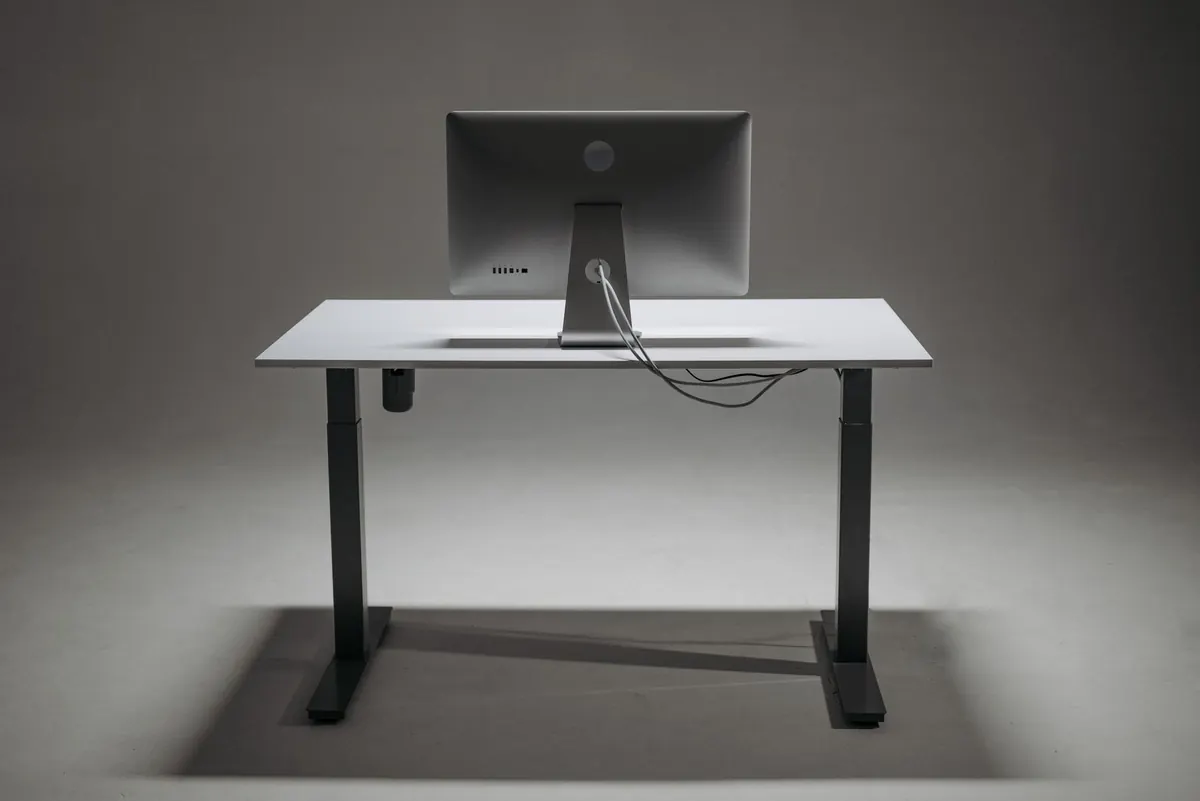
There is a moment every winter when you sit down at the desk, hands hovering over the keyboard, and realise the room you work in is the coldest in the house. It gets no cooking heat, no bath steam, no evening company. Just you, a laptop and whatever the thermostat decides. The instinct is to nudge the heating up and warm four empty rooms so that one occupied chair feels comfortable. There is a better way: shrink the problem down to the space around you, then work through it in order.
Find the draughts before you spend anything
Cold air rarely enters a room evenly. It sneaks in through a handful of gaps, and those gaps undo an hour of heating. Before buying gadgets, spend twenty minutes finding them on a still, cold day.
- Hold the back of your hand near window frames, the base of the outside wall and the corner where the floor meets the skirting.
- Check the door: gaps underneath, around the frame, and through the keyhole.
- Look at anywhere a pipe, cable or aerial comes in through the wall.
- Don't forget the loft hatch, an open fireplace, an unused extractor fan and any suspended floorboards.
- Note which gaps are fixed and which need to move — a door still has to open, a window still has to shut.
Foam or brush strips handle moving parts. A brush or rubber seal screwed to the bottom of the door is one of the cheapest and most effective fixes in a home office, because the gap under an internal door is often wider than you think. For fixed gaps, a bead of sealant does the job. If you have an open chimney, a chimney balloon or draught excluder stops a surprising amount of cold air pouring down into the room. Rented homes are usually fine with removable, non-damaging fixes — check your tenancy agreement before anything permanent, and ask your landlord if you're unsure.
Dress for sitting still, not for going outside
An office chair is a cold place to be. You aren't generating much body heat, your legs are still and your feet are on a hard floor. Treat warmth as something you wear rather than something the boiler provides.
The single biggest difference is at your feet. Slippers with a proper sole, thick socks and a small rug under the desk will do more than an extra jumper. Above that, think in thin layers: a base layer, a mid layer, and a fleece or gilet that you can take off when the sun comes round. A blanket over your knees or a throw across your shoulders works when you're reading or on calls. Fingerless gloves are an option many people dismiss until they try them.
An electric heated throw or a heated seat pad is a targeted way to stay warm, and it draws far less power than a room heater. Use it as a layer, not as a substitute for a coat you forgot to put on.
Heat the person, not the whole room
If you must add heat, aim it at you. A small directional heater under the desk or a radiant panel pointed at your chair warms what needs warming and leaves the rest of the room alone. A foot warmer, a hot water bottle or a microwavable wheat bag are quieter still, and cost almost nothing to run.
A few safety points are worth stating plainly. Never cover a heater or put it against curtains, paper or fabric. Don't run a high-powered heater from a coiled extension lead, and never leave one running unattended or overnight. If a plug or cable feels warm, stop using it and get it checked. If you rent, check what your agreement says about portable heaters.
Movement matters too. Standing up every half hour, making a hot drink, or taking a call while pacing the room keeps your circulation going in a way no gadget can.
Reconsider where the desk sits
Sitting right against a window feels pleasant in summer and miserable in January. Glass is the coldest surface in most rooms, and you'll feel it on your shoulder and the back of your neck. If there's an alternative, an internal wall away from the window and away from the external corner is warmer. If the window is your only sensible spot, make sure the curtain or blind goes right to the sill and that you aren't sitting in the gap between curtain and glass.
Don't push the desk flush against a radiator either — you trap heat behind it and cook the back of your monitor while your hands stay cold. Pull it forward slightly and let the warm air circulate. Keep the door closed while you work, and use a blanket over the knees rather than dragging the whole house up to temperature.
Small, cheap changes that hold warmth in
- Close curtains at dusk and open them in the morning — free solar heat is worth having.
- Fit a thermal liner or a heavier curtain if the existing one is thin; it makes a noticeable difference to a glass-heavy room.
- Put a radiator reflector panel behind radiators on external walls.
- Lay a rug if you have bare floorboards; cold feet set the tone for the whole afternoon.
- Use a timer or smart plug so the room is warm when you start, not half an hour later.
One warning: sealing a room completely while you dry laundry or cook nearby traps moisture, and damp leads to condensation and mould. Air the room properly for a few minutes with the window wide open, rather than leaving a small gap all day. If you already have persistent damp or mould, it's worth getting proper advice rather than simply sealing harder.
Work with the day, not against it
Heat one room at a time and keep the doors shut. If your home has a naturally warm spot — a kitchen table, a south-facing room — take the laptop there for an hour or two of admin rather than heating the office twice. Take a brisk walk at lunch, even ten minutes, and you'll come back warmer than any heater would leave you.
If the bills are becoming hard to manage, don't struggle quietly. Energy suppliers, Citizens Advice and your local council can explain what support, grants or payment arrangements might apply in your circumstances. For anything to do with money, benefits or housing, it's worth getting that advice directly.
A winter routine that actually holds up
Sort the draughts once, layer up daily, and heat yourself rather than the building. Warm feet, a door that closes properly and a small amount of heat aimed exactly where you sit will carry you through the coldest weeks more comfortably than turning the thermostat up and hoping the office benefits. Start with the door and the gap under it — it takes ten minutes and you'll feel the difference tomorrow morning.
Photo: JillWellington / Pixabay