British homes are built to hold warmth in, which is a blessing for ten months of the year and a nuisance for the other two. When the forecast tips past 30°C and the heat lingers indoors overnight, that spare-bedroom office becomes the least appealing room in the house. The good news is that a handful of changes — some free, most costing less than a decent lunch — make a real difference. Here is how to stay comfortable and productive through a heatwave without decamping to the kitchen floor.
Shut the heat out before it gets in
The most effective thing you can do happens before you sit down. In the morning, close the windows and draw the blinds or curtains in any room that faces the sun. Once the air outside is hotter than the air inside, an open window is simply a heater with a nice view.
Shading the glass from the outside is far better than shading it from within, because the heat never enters the room in the first place. An awning, a shade sail, or even a bamboo cane blind hooked over the frame will all help. If that is not possible, a reflective film applied to the glass, or simply a light-coloured curtain rather than a dark one, is the next best thing.
Then ventilate at the right moments. Open windows in the early morning, before about eight, and again after sunset, when the outside temperature drops below the indoor one. Open windows on opposite sides of the house to create a through-breeze; a single open window in a still room does very little.
Get more from your fan
A fan does not cool the air, it cools you. Moving air helps sweat evaporate from your skin, which is why the fan should be pointed at your body rather than at the wall. Placement matters more than price, so try a few positions before you buy anything new.
- Build a cross-breeze. Put one fan at an open window facing inwards, and a second at a doorway on the far side of the room facing out. Together they pull cool air through rather than just stirring warm air around.
- Use ice. Freeze a large bottle of water, stand it in a bowl in front of a desk fan, and the air passing over it comes out noticeably cooler. Swap the bottle as it melts.
- Clean the grille. A dusty fan moves less air and hums more. A quick wipe with a damp cloth restores most of the airflow.
- Choose a steady low setting. A rattling fan on full speed is miserable on calls and no more effective than a gentle, constant flow.
- Aim upwards at night. Pointing a fan at the ceiling or an angled wall circulates air around the room instead of blasting you directly.
If you have a ceiling fan, check its direction. In summer the blades should turn anticlockwise when viewed from below, pushing air downwards.
Rework your working day around the heat
Concentration is easiest in the coolest hours. Front-load the demanding work — writing, coding, anything that needs a clear head — into the early morning, and push calls, admin and email into the afternoon. A start at seven and a finish at three is a legitimate heatwave schedule if your employer allows flexible hours.
If you have to be at your desk from nine to five, protect the hottest stretch of the afternoon instead. Between roughly two and four, take a proper break: a cool shower, a few minutes with your feet in a basin of cool water, or a lie-down in the coolest room in the house. Trying to power through is a false economy. Heat makes everyone slower and more error-prone, and noticing that is not a personal failing.
Drink, eat and cool from the inside
Keep a large glass or bottle within reach and drink regularly, before you feel thirsty. Plain water is enough for most desk-based days. If you have been sweating heavily for hours, replace the salts you have lost with food — a normal meal with a little salt in it — rather than with expensive sports drinks.
What you eat matters too. Heavy, hot meals raise your body temperature just when you least need it. Cold or room-temperature food is easier: salads, sandwiches, fruit, yoghurt. Go steady on caffeine and alcohol, both of which work against you in the heat.
A sensible note: if you take medication that affects sweating, are pregnant, or have a health condition that heat makes worse, speak to a pharmacist or your GP about what is safe for you. If you feel dizzy, nauseous, or develop a headache that will not shift, get out of the heat, cool down and seek medical advice. Heat exhaustion is not something to sit through.
Stop your kit from cooking
Your laptop and monitor are small radiators, and they dislike heat as much as you do. Move a laptop out of direct sun — one sitting in a sunny window will slow itself down, and in extreme cases shut off entirely. Keep vents clear, and never run a laptop on a duvet or cushion, where the airflow is blocked.
Switch off the second monitor when you are not using it, and unplug chargers once devices are topped up; they trickle heat into the room all day. Batch heavy tasks such as large exports, backups or screen-sharing calls into the morning, and turn video calls into audio calls where it is practical. Encoding video works the processor hard, and a hot processor means a hot room.
Cool yourself, not just the room
Sometimes it is faster to cool the person than the space. Cooling the pulse points — wrists, neck, temples, ankles — brings your temperature down quickly; thirty seconds with a cold flannel does more than an hour of hoping.
Other things that genuinely help:
- Dampen a thin cotton scarf or tea towel, wring it out, chill it in the fridge and drape it round your neck.
- Work barefoot on tile or stone flooring; if you have carpet, a shallow basin of cool water under the desk works just as well.
- Wear loose cotton or linen in light colours. Natural fibres breathe far better than polyester, which traps heat against the skin.
- Take a cool shower at lunchtime. It resets your temperature for a couple of hours.
A simple heatwave routine
If you only do a few things, do these, in this order:
- Close windows and draw blinds by mid-morning in sun-facing rooms, then reopen everything after sunset.
- Set up a cross-breeze with two fans rather than relying on one.
- Move your hardest work into the hours before eleven.
- Keep water at the desk, and eat light, cold meals.
- Take a proper break during the hottest part of the afternoon, somewhere genuinely cool.
A UK heatwave is usually short — a few days, occasionally a fortnight. None of this needs to be permanent. But the habits are worth keeping: a shaded room, a well-placed fan and a working day that bends around the weather will see you through the next hot spell comfortably. And if the office does become unbearable, a laptop on the kitchen table in the coolest room downstairs is a perfectly respectable place to work for a week.
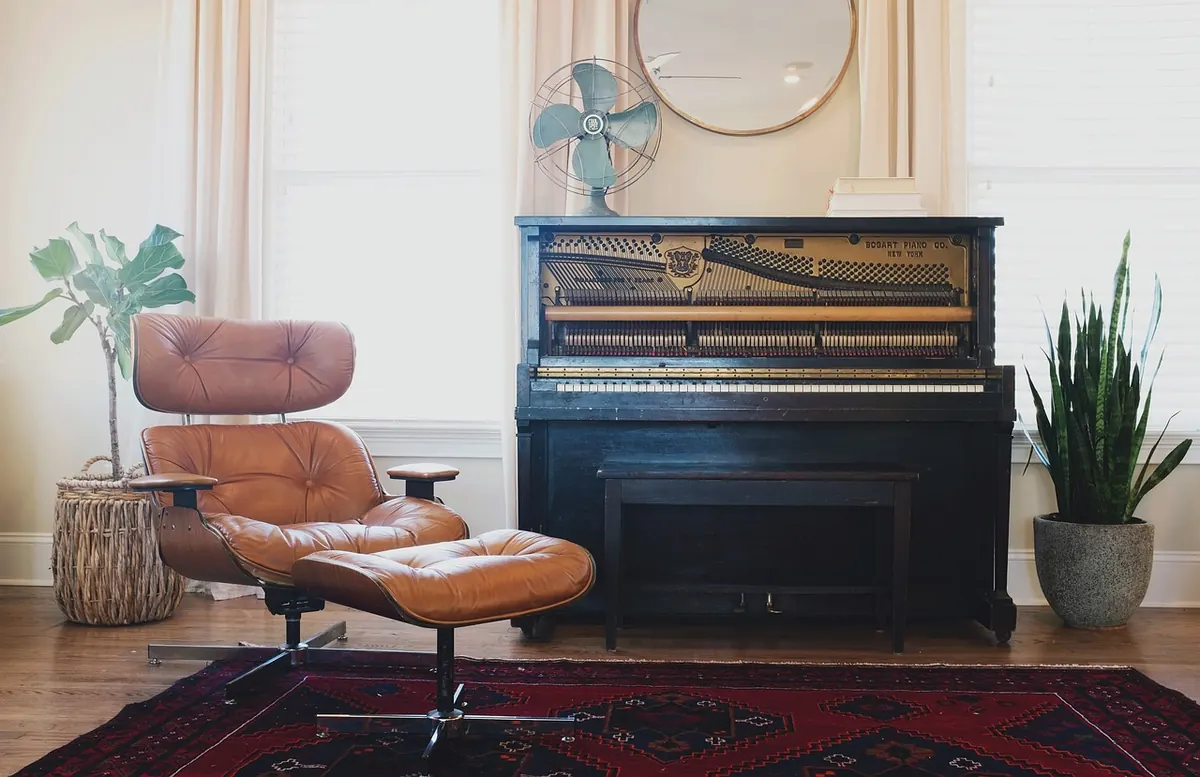
Photo: Pexels / Pixabay